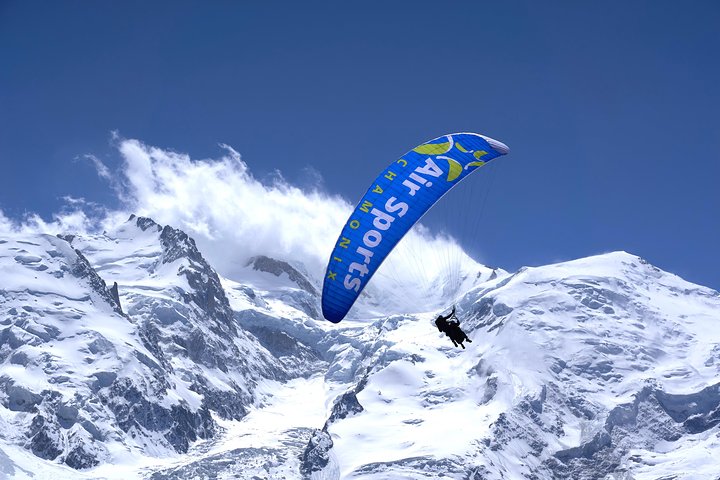
Things to Do in Chamonix
Glaciers above, fondue below, and Europe's steepest cable car in between
Top Things to Do in Chamonix
Find activities and tours you'll actually want to do. Book through our partners -- no booking fees.


Plan Your Trip
Essential guides for timing and budgeting
Climate Guide
Best times to visit based on weather and events
View guide →Day Trips
The best excursions and nearby destinations worth the journey
Explore day trips →Where to Stay
Best neighbourhoods, hotel picks, and booking tips
Find hotels →Travel Insurance
What's required, what coverage matters, and how to get a quote
Read guide →What to Pack
Climate-specific gear, essentials, and what to leave at home
See packing list →When Should You Visit Chamonix?
Tap a month for weather, crowds, and highlights
View full year-round climate guide →
Your Guide to Chamonix
About Chamonix
Chamonix hits you with pine sap and melting raclette the instant you step off the TGV at Gare de Chamonix-Mont-Blanc. The station sits on the valley floor where the Arve River runs milky with glacial flour and the Aiguille du Midi cable car vanishes into cloud so thick the summit hides from town. This is not a ski resort that happens to sit in the Alps.
It is the Alpine town that invented modern mountaineering, where the Office de Haute Montagne still posts daily weather reports in French, Italian and English, and where you can buy crampons beside €4 croissants on Rue Paccard. The town splits into two clear moods. Pedestrian streets around Place du Triangle de l'Amitié buzz as après-ski crowds spill from Micro Brasserie de Chamonix at 4 PM.
The quieter northern edge near Les Praz-de-Chamonix lets locals walk dogs along river paths while cowbells drift down from alpine meadows. Summer brings rock climbers to Les Gaillands and trail runners to the Grand Balcon Sud. Winter turns the same slopes into lift-accessed powder bowls for €52 a day. The catch, because there is always a catch, is that everything costs roughly 30% more than it should.
Expect €22 cheese fondue at La Calèche and €180 winter lift passes. Then you ride the Aiguille du Midi cable car up 2,800 vertical meters, step onto the glass box over the void, and understand why people have gone broke here since 1741.
Travel Tips
Transportation: The Mont Blanc Express runs from Martigny to Chamonix every hour, connecting through Vallorcine for €15 ($16.50) each way. In town, skip the €2 bus tickets. Ask your hotel for a free Carte d'Hôte instead. It grants unlimited rides on local buses and trains. Valley shuttle buses run from Les Houches to Le Tour every 30 minutes during ski season. The real secret is the train. It hugs the valley floor and costs €4 ($4.40) to ride from Chamonix to Argentieres.
Money: France loves plastic. But Chamonix cash machines sting you €3.50 ($3.85) per withdrawal. Credit Agricole on Rue Joseph Vallot charges the lowest fees. Super U supermarket gives cash back on purchases over €20. Winter lift passes are €52 ($57) daily, €256 ($281) weekly. Buy online seven days ahead for 10% off. Lunch on the mountain demands €18 ($20) for tartiflette. The Spar supermarket sells baguette sandwiches for €4 ($4.40) that taste better anyway.
Cultural Respect: The French ski queue is not a queue. It is a polite rugby scrum. Stand your ground at the Aiguille du Midi lift or you will wait three extra cable cars. In mountain restaurants, greet staff with bonjour before asking for anything. Arrive at 12:30 PM and you will not find a table. The old-school guides at the Compagnie des Guides de Chamonix still wear the traditional blue wool uniform. Call them Monsieur Guide, not 'hey bro,' or they will find you a steeper route than you asked for.
Food Safety: Mountain water is safe everywhere. Skip the €6 ($6.60) bottles at lift stations. Fill up at public fountains marked 'eau potable.' The Wednesday market sells Beaufort cheese aged 18 months in mountain caves. Buy the day you arrive and it will be perfect by the weekend. Street food does not exist here. The bakery on Rue du Docteur Paccard sells €3 ($3.30) quiches that locals grab for lunch runs. Hiking? The Refuge Albert Premier serves €12 ($13) omelettes at 2,702 meters that taste like Alpine heaven after six hours of climbing.
When to Visit
January brings the deepest snow. Expect 2-3 meters on upper slopes and -8°C (18°F) mornings where your breath ices your goggles. February is peak season chaos. Hotel prices spike 40% above normal. The Aiguille du Midi queue snakes past the ice climbing wall. The off-piste is at its absolute best. March offers the sweet spot.
Expect -2°C (28°F) at 2,000 meters, half-price accommodation after the 15th, and corn snow that makes you feel you are floating. April turns schizophrenic. Blizzard one day, t-shirt weather the next. Lift tickets drop to €42 ($46) as the season winds down. June through September is hiking season. Days hit 18°C (64°F), good for the Grand Balcon Sud trail and wildflowers at Lac Blanc.
The Aiguille du Midi cable car rises to €65 ($71) instead of winter's €52. July and August bring the Ultra-Trail du Mont-Blanc (August 26-30, 2025) and shoulder-to-shoulder crowds on every trail. Smart money visits in September instead. Temperatures still reach 15°C (59°F) but the valley empties and hotel prices fall 50%.
October is when locals live here. Mushroom hunting in the forests above Les Houches. €22 ($24) raclette by the fire at La Ferme. First snow dusts the peaks. November is dead. Too warm for skiing, too cold for hiking. You can book the entire Aiguille du Midi cable car for yourself and grab a €45 ($49) off-season hotel. December starts slow but builds to Christmas chaos.
Accommodation jumps 30%. The Christmas Market on Place du Triangle de l'Amitié sells mulled wine and the best tartiflette in France.
More Ways to Experience Chamonix
Tours, day trips, and local experiences curated by on-the-ground operators.
Didn't see anything interesting yet?
Browse Viator's full catalog of tours, day trips, food experiences, and private guides in Chamonix.
See All Chamonix Tours on Viator